Ironman Texas
Pro Series Texas
Hot, humid, and a stacked start list. Exactly the kind of race I didn’t shy away from. After the podium in Dallas, I came in confident and ready—but in an Ironman, anything can happen.
The alarm went off at 3:30 a.m. Breakfast: cold mashed potatoes. Not glamorous, but effective. Then final prep for what I knew would be a long, hard, and very hot day. I had planned my nutrition down to the smallest detail—this time, I was sure cramps wouldn’t be part of the story.
Arriving at T1 is always an experience: hundreds of athletes walking in the dark with heavy backpacks and nervous faces. I was glad I brought my headlamp —it made setting everything up properly much easier. I had nearly 4 liters of fluid on the bike, targeting 140 g of carbs per hour. The bike felt heavy, but I knew: that weight was my ticket to a strong race.
Swim
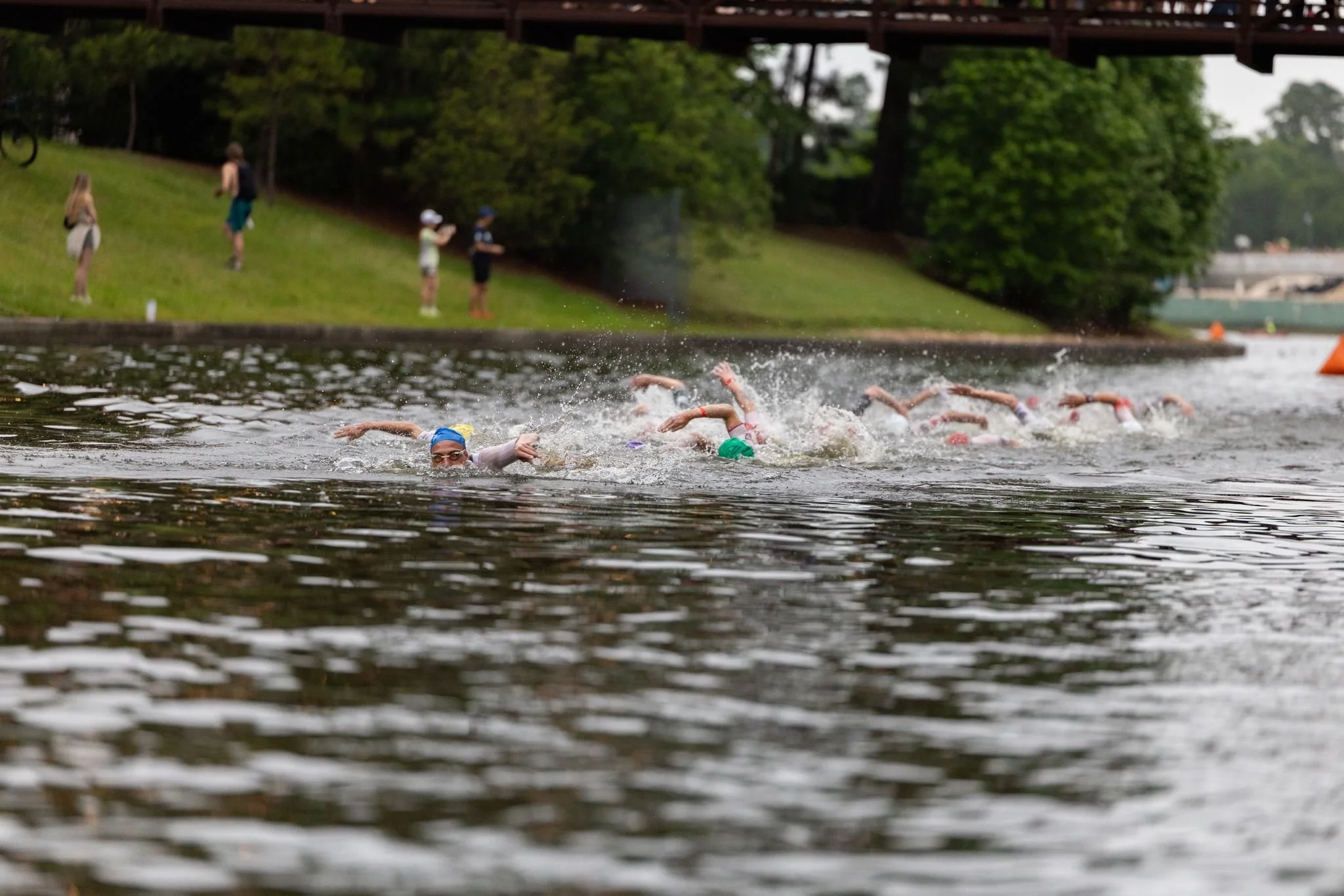
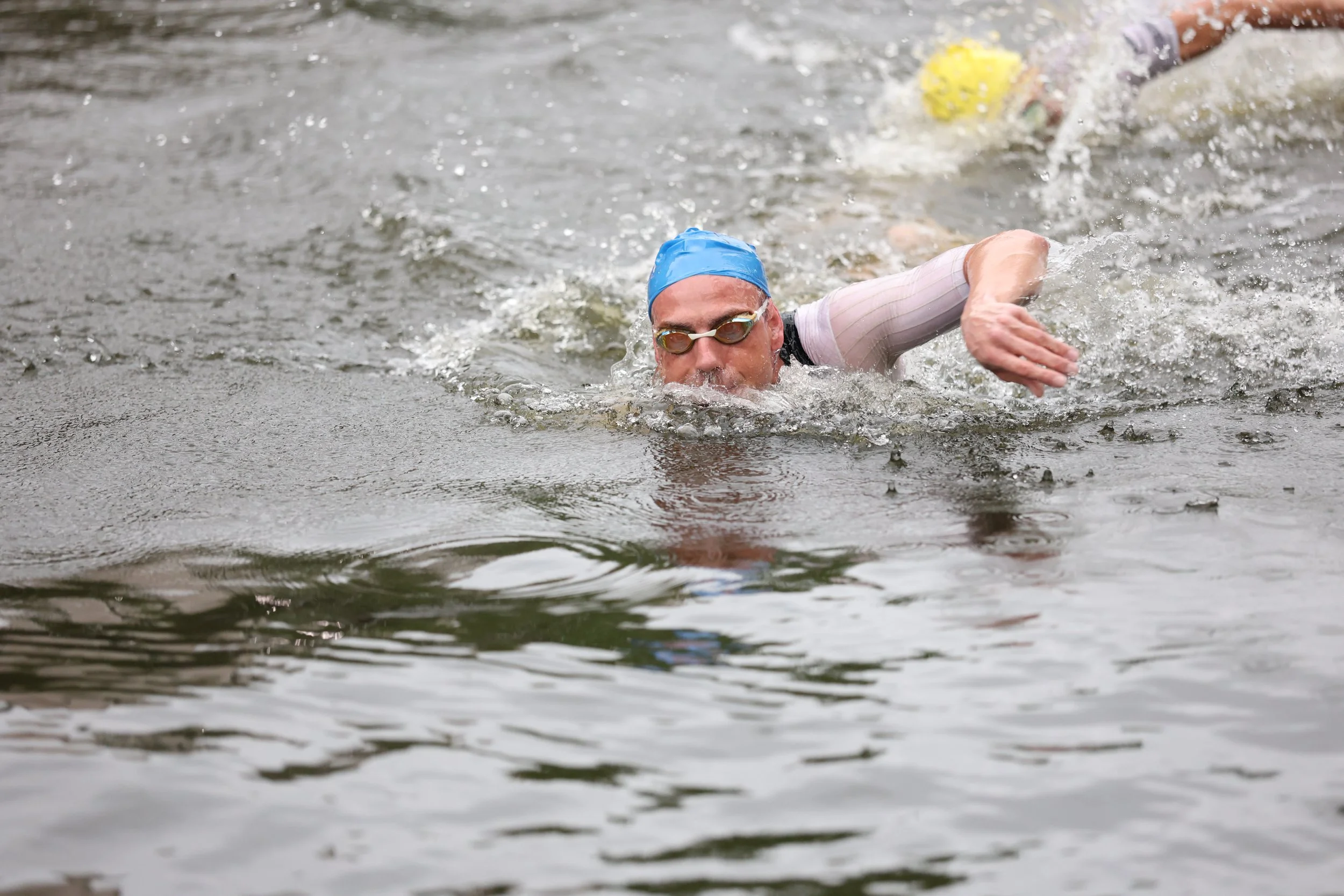
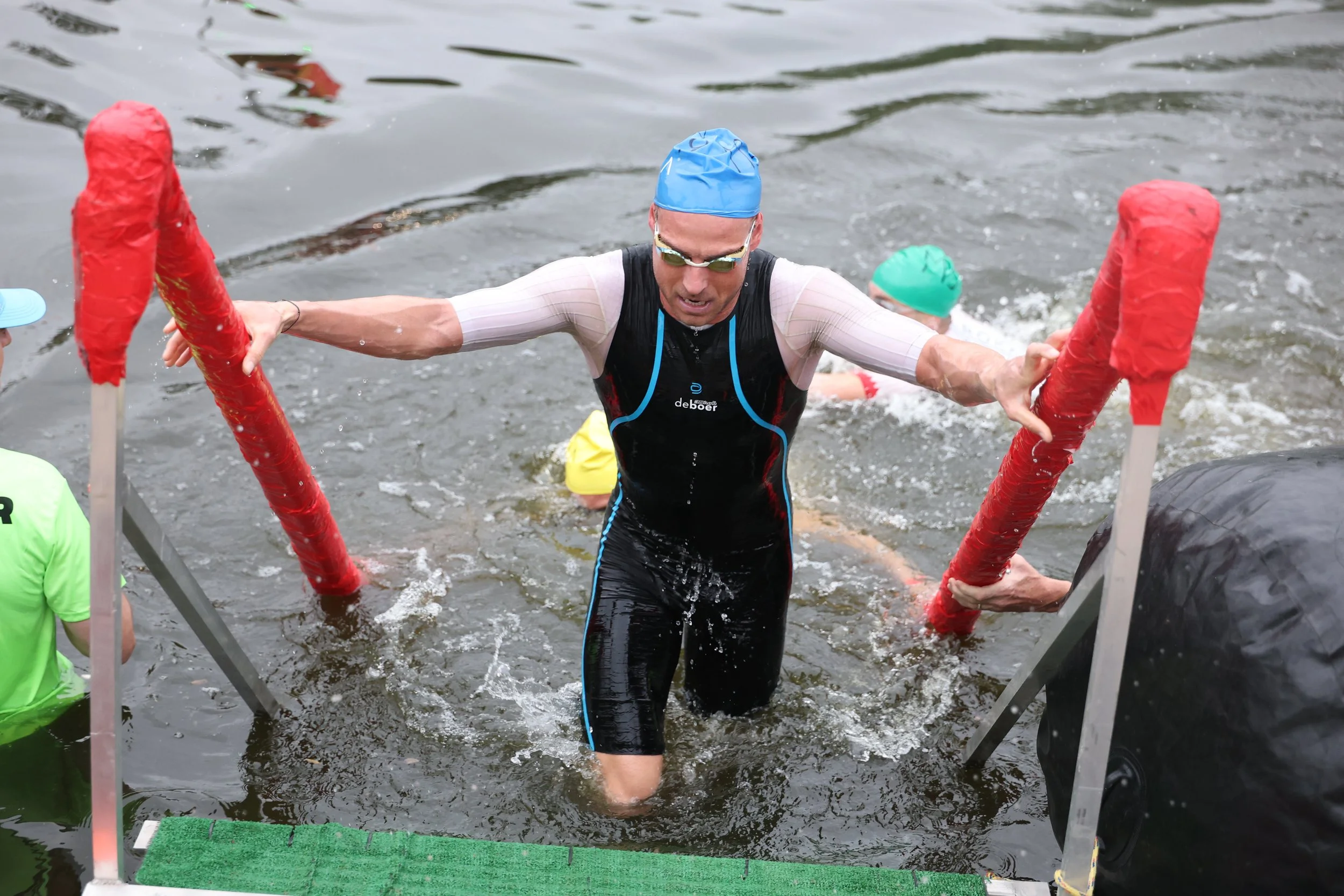
It was still dark when we entered the water—even darker water. Visibility was almost zero. With around 80 athletes and very little space, the start was hectic: constant contact, bodies everywhere, just trying to survive the first minutes.
Once I got through the initial chaos, I spotted the colored caps of my swim buddies Schombi and Marten Van Riel. That was my cue—I was in the right place. We formed a line and started pushing forward.
But not hard enough. I could feel athletes trying to move up onto my hip. That’s the worst position—if they get there, they slow you down and can eventually pass, forcing you into a constant fight. So I made it clear, channeling a bit of Gandalf: “You shall not pass.” Kicking left and right to defend position.
The turns at the front happened quick and already after 2 km to go, I found myself at the front. I don’t lead for any bonus—I lead because I want a strong front group. That’s where my race is.
The plan was to push hard in the final stretch, but I started to worry I might not be able to break things open enough. Then I saw Van Riel come through again. That gave me just enough recovery before taking over once more for the final push.
Every second matters—especially with some of the best athletes in the world behind you, possibly swimming alone and losing time. All the strong riders were among them.
Bike
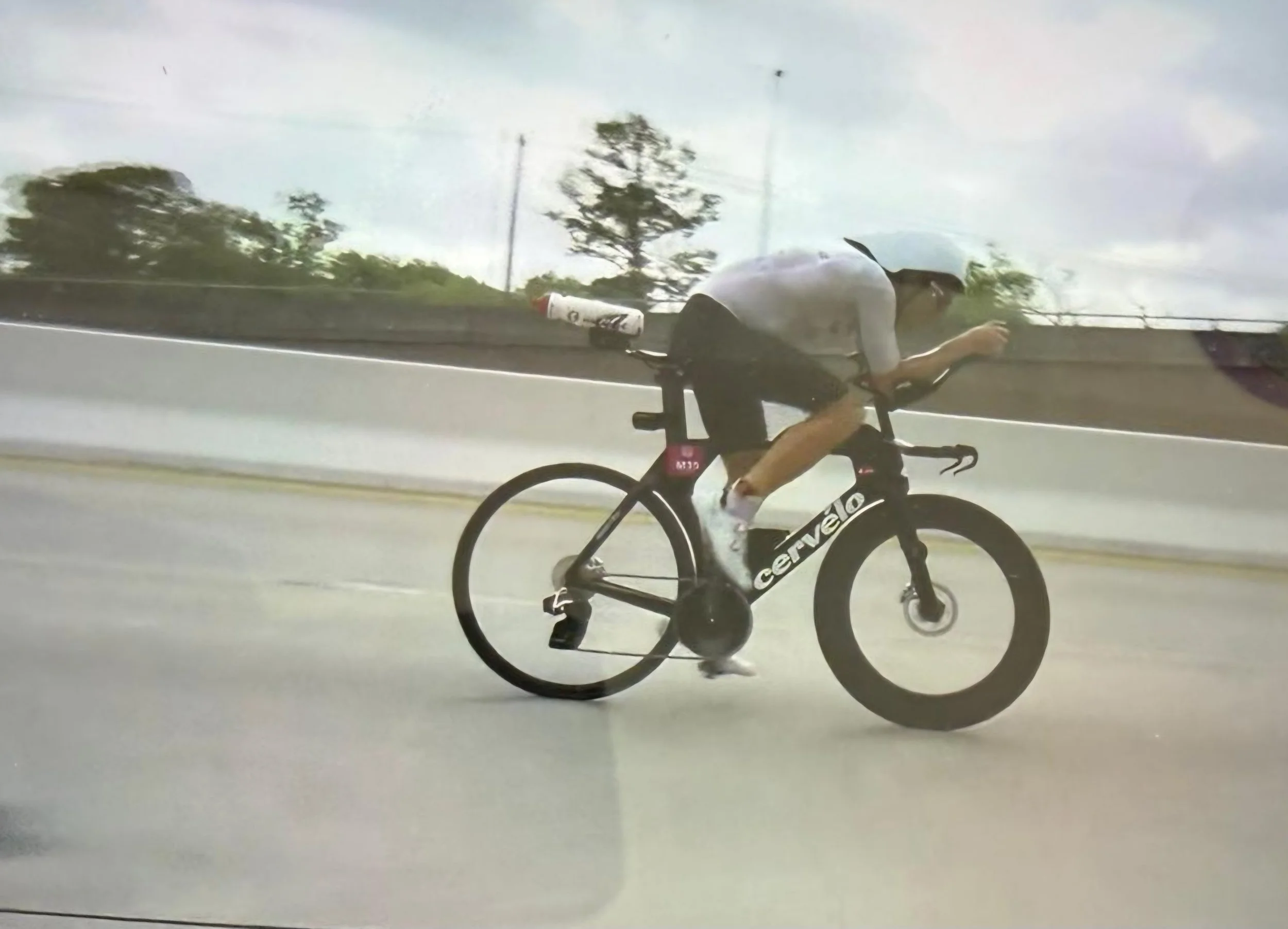
A fast transition put me straight onto Van Riel’s wheel—perfect start.
The group riding felt controlled. Smooth through corners, no big spikes in power, and I could recover well. Everything clicked, and the first 90 km went by almost too easily.
Then, for the first time in a race, I got really unlucky. Flat tire.
Probably from a stone or screw right in the middle of the road. Luckily, the wheel change was quick—just over a minute lost—and I got back out right onto the wheel of three Norwegians. They were working hard to chase down the lead, I was surprised that they did not bridge up yet. And that is why the swim matters so much!
They hadn’t made the front group and were riding hard. Really hard.
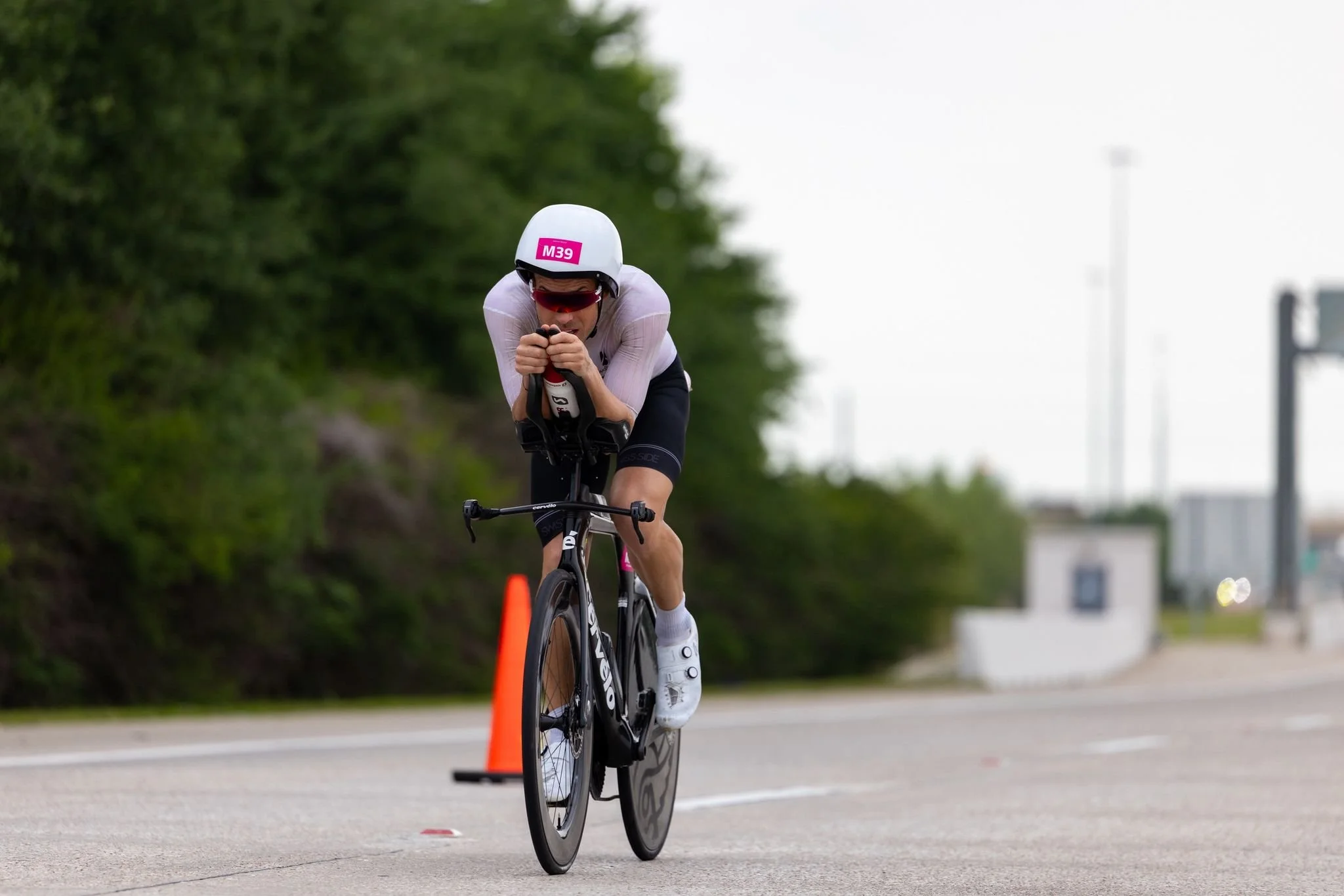
I was happy to be with them—but I also immediately felt the difference. I was now on a heavy training wheel, and every watt felt more expensive. Even more surprising was how much harder it was riding outside the group dynamics I had before.
My average power on the Garmin jumped from ~295 W to over 305 W within minutes. Those guys must have been pushing seriously in the first half. I couldn’t hold it. I drifted to the back of the group… and then off.
That moment hits hard. You think: that’s it, race over.
I felt completely drained, the wheel felt like it was holding me back, and the gap started to open. But instead of giving in, I reset. Focused on my own numbers. Gradually, I stabilized and kept the back of the group in sight.
But from around 140 km, I was running on fumes. That’s exactly how it felt.
When I closed my eyes, it was spinning—like being on a dance floor. The only thing left was focus. Counting down every kilometer. Just getting to T2.

Run
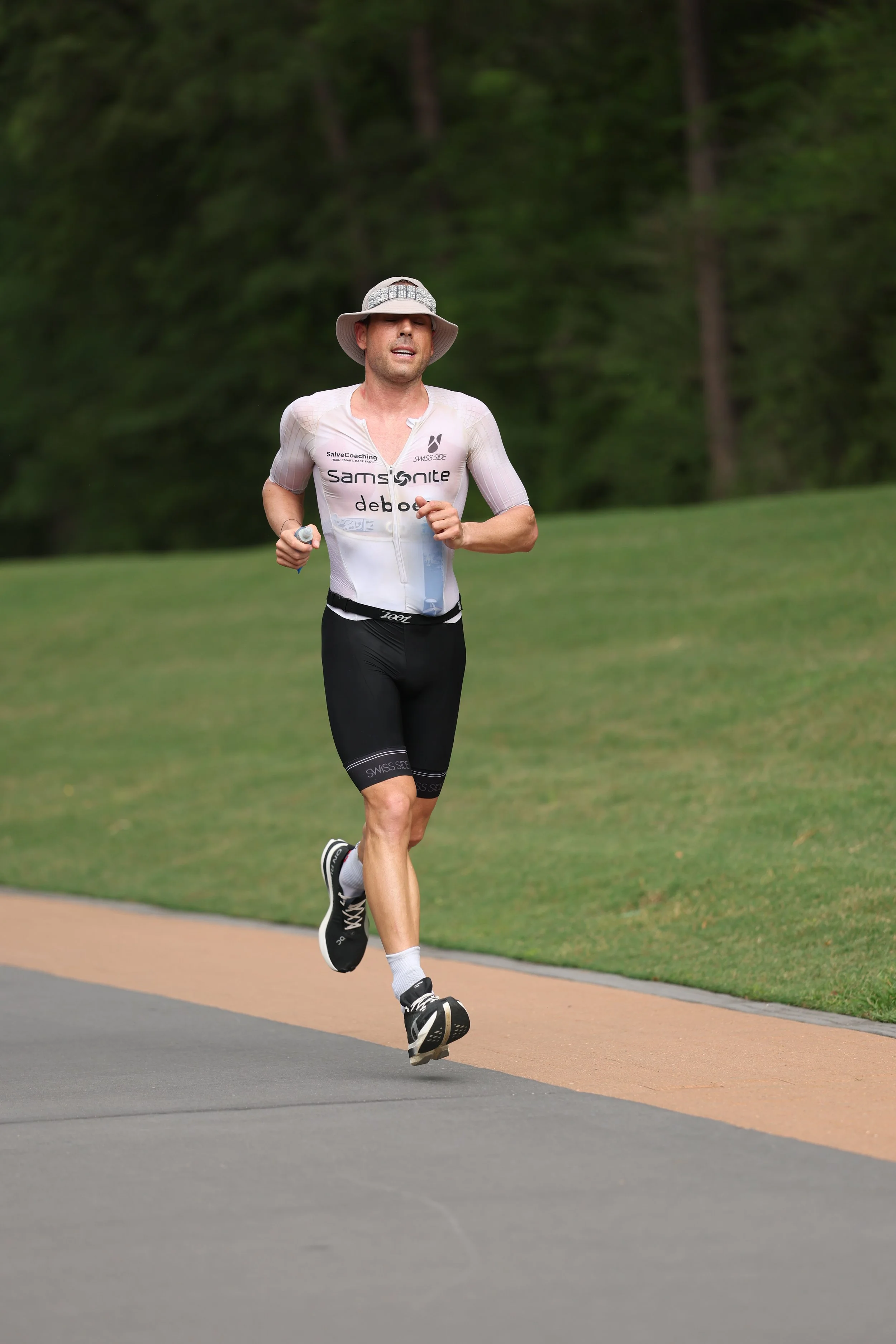
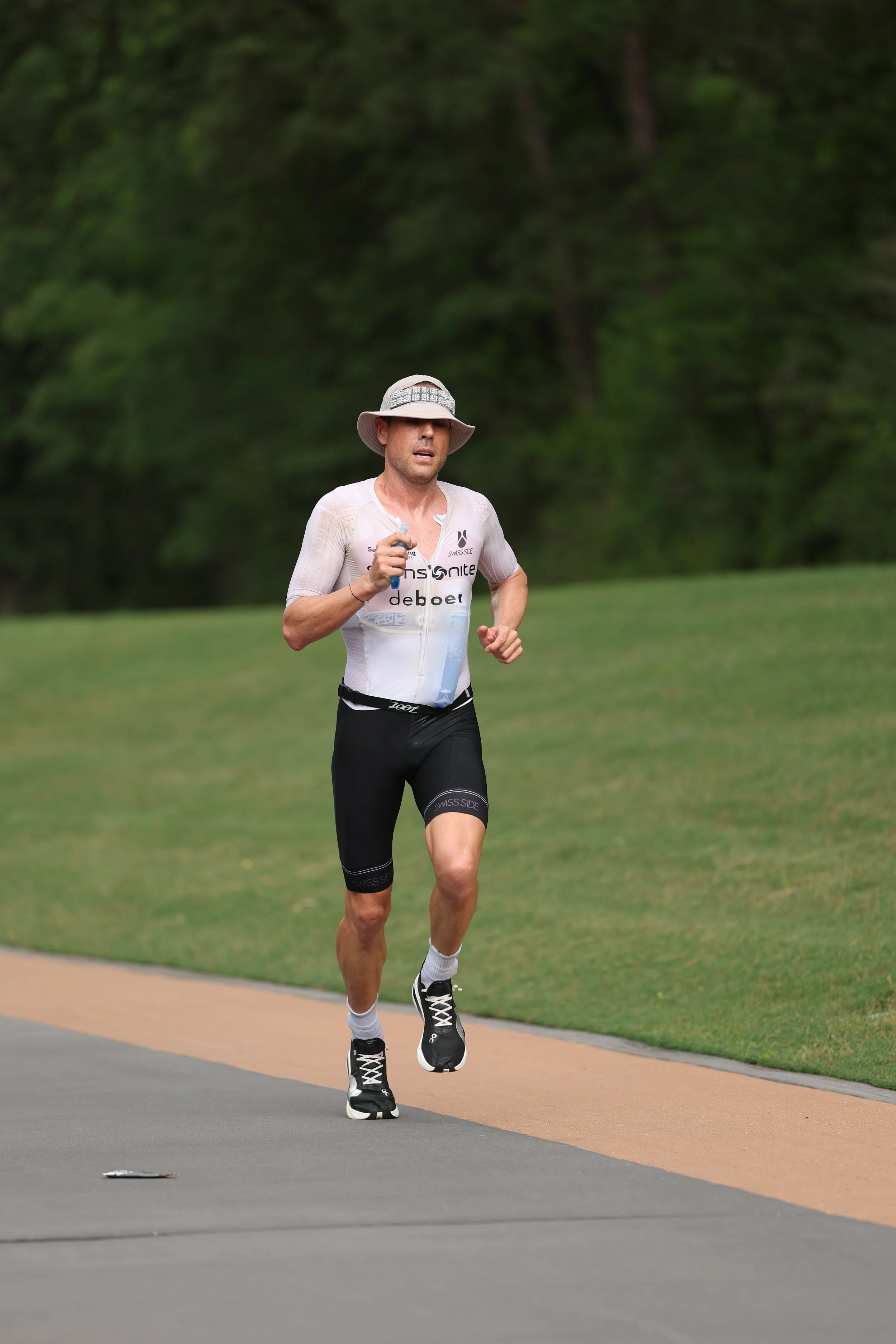
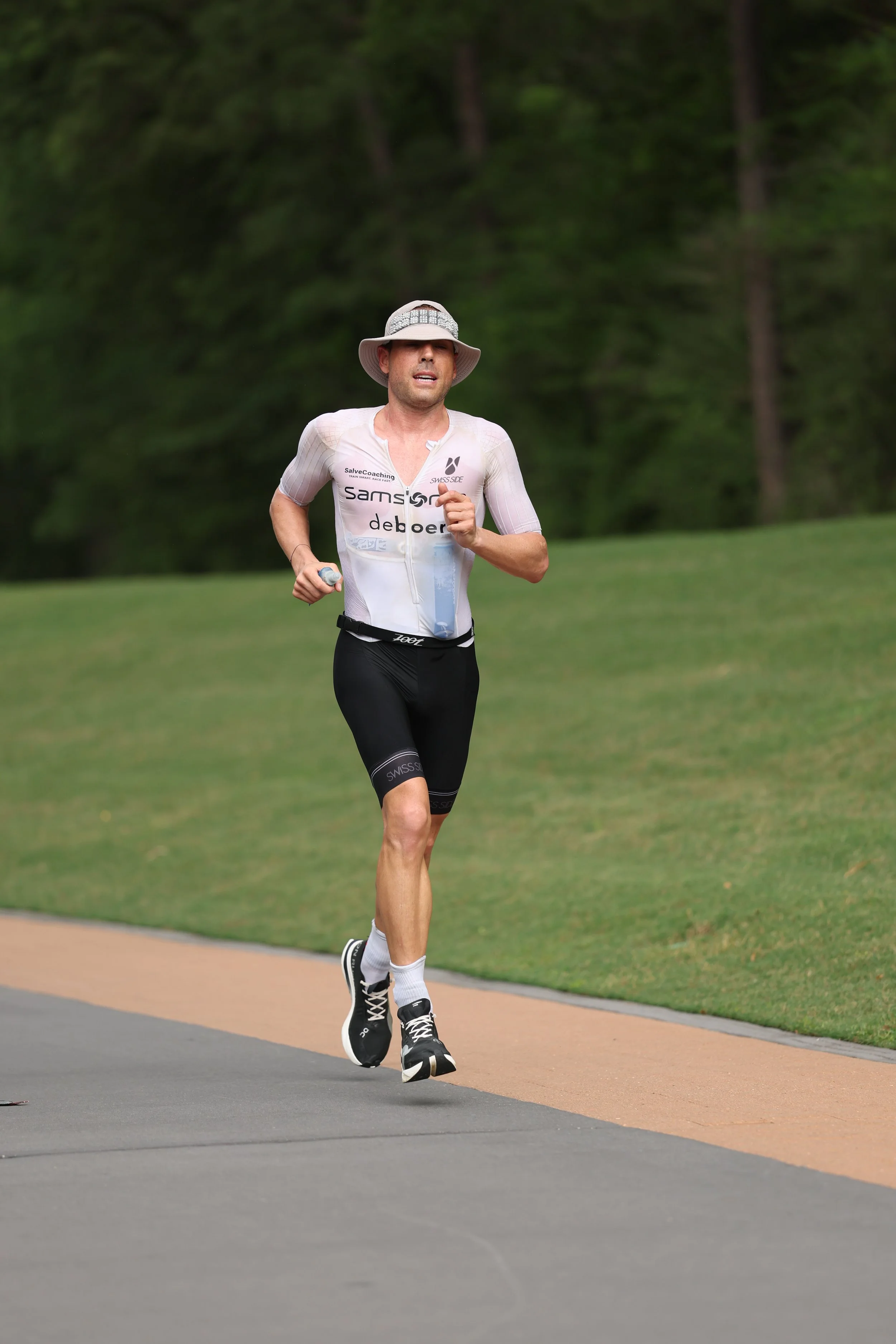
I made it—but I was cooked. Still, no thought of quitting. I had to run.
It turned into the hardest marathon I’ve ever done. Not just physically, but also managing the fueling. The plan was 120 g/h, but I ended up closer to 150 g/h with Coke and bars, just trying to keep something going.
I had pushed too hard on the bike trying to get back—my legs paid the price. Running alongside Arnold for a while helped a lot. Sharing the suffering made it easier to keep moving. But eventually, we both had our own battles to fight.
Crossing the finish line was pure relief. Ironman is brutal. Every finish—fast or slow—is a demonstration of mental and physical strength. Respect to everyone out there, especially those balancing full-time work and training.
Even though I told myself at the finish I’d never do this again…the mission is still alive:
Kona.
Next stop: Frankfurt. Time for revenge.